
Brand Awareness and Visibility
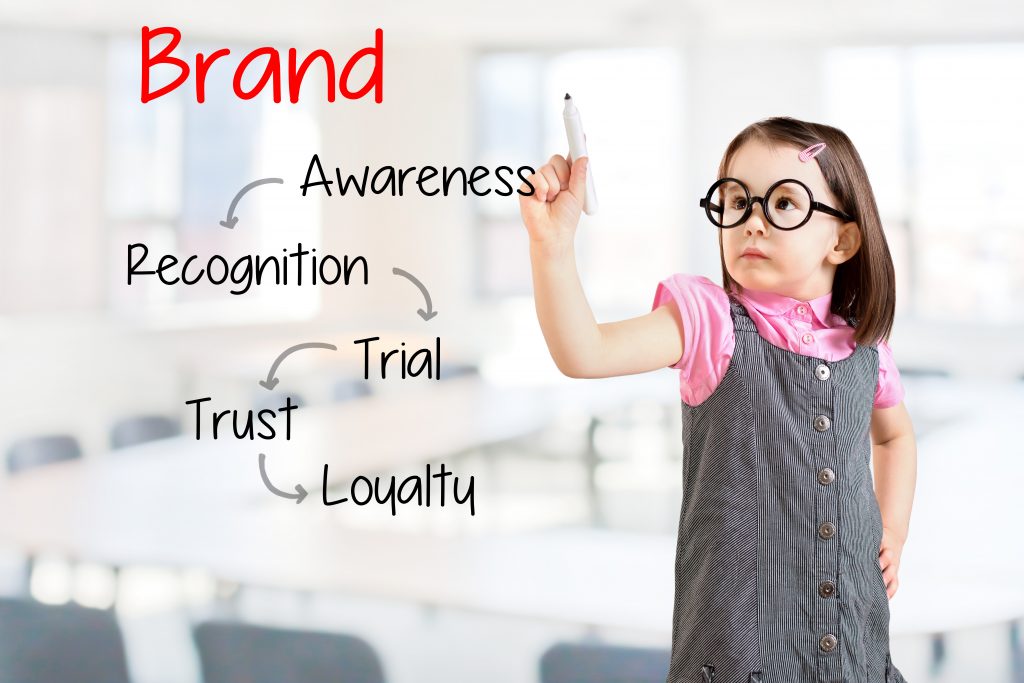
In 2026, brand awareness depends largely on brand visibility. If your brand is not found online, your content and messaging are not seen by the people you want to engage with. There are many avenues for visibility – search engines, AI answers, news media, social media, and other digital outlets like blogs and podcasts.
Great content and PR skills can help you get the visibility you need in these media outlets. For the past 15 years, Google has dominated the search engine space, and it’s played a large part in how people find their information. AI is currently challenging this. In a recent study, ChatGPT outperformed Google in providing the best answers to search queries.
Discover your brand visibility score
Brand Affinity and Trust
Building brand affinity and trust is increasingly important, as consumers become more conscious of the companies they want to support. With the rise of social media and easy access to information, it’s harder to keep loyal customers when they make informed decisions about which brands to engage with and purchase from based on shared values. In a world where brand loyalty is no longer guaranteed, companies must build brand trust to establish long-term relationships with their customers.
What is the difference between brand affinity and trust?
Brand affinity refers to the emotional connection that consumers have with a brand. When a consumer has strong brand affinity, they view the brand as more than just a product or service; it is part of their identity. This emotional connection can lead to increased loyalty, repeat purchases, and even brand advocacy.
Brand trust, on the other hand, is the confidence that consumers have in a brand’s ability to deliver on its promises. Consumers trust a brand when they believe the brand is transparent, ethical, and reliable. Trust is crucial for building long-term relationships with consumers, as it encourages them to engage with and purchase from the brand over time.
How to build brand affinity and trust
To build brand affinity and trust, companies must focus on creating meaningful experiences for their customers. This can be achieved by providing high-quality products and services, delivering exceptional customer service, and engaging with customers through meaningful and relevant content.
Companies must also be transparent about their business practices and demonstrate their commitment to ethical and socially responsible behavior. One way companies can build brand affinity and trust is by incorporating purpose-driven marketing into their strategy.
Purpose-driven marketing is a marketing approach that focuses on creating social and environmental impact, rather than just selling products. By aligning with a cause that is important to both the company and its customers, companies can foster a sense of purpose and connection.
This can lead to increased brand loyalty and trust as customers feel that they are supporting a brand that aligns with their values. Another important aspect of building brand affinity and trust is creating an authentic brand voice. This involves staying true to the brand and communicating in a way that resonates with its target audience.
Companies should avoid using generic or inauthentic messaging that fails to connect with their customers on a personal level. Instead, they should strive to create a unique and distinctive voice that reflects their brand values and personality. In addition, companies must also prioritize the customer experience. This includes providing a seamless customer journey, from the moment a customer first engages with the brand to the post-purchase experience.
Companies should focus on delivering a personalized, memorable customer experience that meets customers’ needs and expectations. This can be achieved through technology, such as AI and chatbots, which can provide instant, relevant responses to customer queries and concerns.
Finally, companies must be proactive in addressing customer feedback and concerns. This requires listening to customer feedback and making changes to improve their experience. Companies must also be transparent and responsive in their communication, addressing any issues or concerns in a timely and professional manner.
This shows customers that the company values their feedback and is committed to delivering a high-quality customer experience. Building brand affinity and trust is a crucial trend for 2023 as companies strive to establish long-term relationships with their customers.
Companies must focus on creating meaningful experiences for their customers by incorporating purpose-driven marketing, establishing an authentic brand voice, prioritizing the customer experience, and proactively addressing customer feedback.
By taking these steps, companies can build brand affinity and trust, establishing themselves as a trusted, valued brand in their customers’ minds.
Take the brand visibility quiz to get your score.
